Uma Vogel · 4 September 2026
Independent Websites Adopt Specialized Platforms to Streamline Referral Pathways Amid Evolving Search Conditions
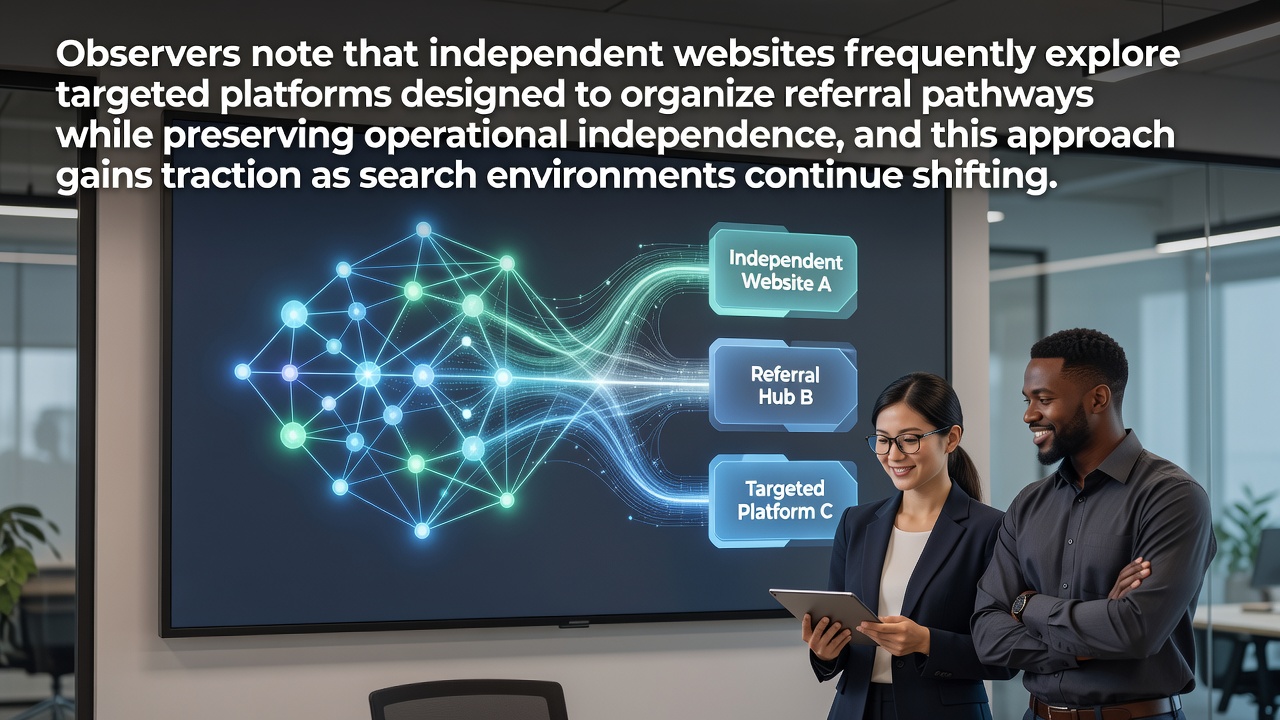
Observers note that independent websites frequently explore targeted platforms designed to organize referral pathways while preserving operational independence, and this approach gains traction as search environments continue shifting. Data from multiple regions shows website operators integrating referral tools that route traffic through structured channels without relying on single dominant sources. Research indicates these platforms allow sites to maintain control over their content and partnerships even when major search algorithms undergo updates.
Search Environment Changes Drive New Approaches
Search engines have modified ranking signals multiple times in recent years, which prompts independent operators to diversify traffic sources beyond organic listings. Figures from the Australian Competition and Consumer Commission reveal increased use of referral mechanisms among small to medium digital properties between 2024 and 2025. Those operators who adopt dedicated platforms report steadier visitor flows because referrals bypass some volatility in search result placements. The reality is that algorithm adjustments can reduce visibility for sites that once ranked consistently, leading many to build alternative pathways that function alongside search traffic rather than depending on it entirely.
Targeted Platforms for Referral Organization
Platforms focused on referral management provide dashboards that track incoming links, partner performance, and conversion metrics in one interface. Experts have observed that these systems let site owners set parameters for which partners receive credit and how commissions or acknowledgments distribute. According to a 2025 report from the Canadian Digital Policy Institute, adoption of such tools rose notably among independent publishers who wanted to avoid entanglement with larger affiliate networks. One study revealed that sites using these platforms maintained clearer records of referral origins, which supports compliance with disclosure requirements from bodies like the U.S. Federal Trade Commission. The platforms also permit customization so each website retains its own branding and audience relationship instead of blending into a shared marketplace.
Preserving Operational Independence
Operational independence remains a priority because many independent sites built their audiences through unique editorial approaches or niche focus areas. Researchers discovered that when referral pathways run through centralized large networks, sites sometimes lose flexibility to adjust terms or exit partnerships quickly. Targeted platforms address this by offering modular features that integrate with existing site infrastructure without requiring full migration of data or user accounts. Observers note examples where sites continued publishing original material while routing referral traffic through separate tracking layers, thereby keeping editorial decisions separate from commercial arrangements. Data shows this separation helps maintain audience trust since visitors encounter consistent content experiences regardless of how referrals originate.

Developments Through September 2026
By September 2026 additional search adjustments had taken effect, including refinements to how engines evaluate content freshness and user engagement signals. Those who've studied traffic patterns across independent sites found that referral volumes from platform-organized channels increased relative to pure search referrals during the same period. Academic papers from European research consortia documented similar shifts among sites operating outside major content ecosystems. The platforms themselves evolved to include features for multi-region compliance, allowing operators to adjust referral terms based on local regulations without rebuilding entire systems. Evidence suggests sites that implemented these tools earlier encountered fewer disruptions when search visibility fluctuated again later in the year.
Examples of Platform Use Across Regions
Take one network of independent health information sites in Canada that integrated referral tracking to connect readers with verified service providers while keeping site governance local. Another case involves European educational resource pages that used modular referral software to link users with open-access materials from partner institutions. Data indicates these arrangements preserved each site's ability to curate its own content library and audience communications. What's significant is that the underlying platforms did not dictate editorial direction or impose uniform content standards across participating sites.
Conclusion
Independent websites continue integrating targeted platforms that organize referral pathways while protecting their capacity for autonomous operation. Research and usage figures confirm this pattern strengthened as search conditions evolved through 2026. The approach supplies structured traffic options that operate alongside traditional discovery methods without requiring sites to surrender control over partnerships or content choices. Observers continue tracking how these systems adapt to further changes in digital discovery mechanisms.