Uma Vogel · 15 October 2026
Independent Content Creators Explore Innovative Networking Approaches to Maintain Visibility in Dynamic Online Environments
Independent content creators continue to adapt their strategies as platform algorithms shift and audience attention fragments across multiple channels. In October 2026, reports from the European Commission highlight how these individuals rely on collaborative networks rather than single-platform dependency to sustain reach.
Shifting Platform Dynamics Drive New Approaches
Platform updates throughout 2025 and into 2026 altered recommendation systems on major video and social sites, which reduced organic visibility for many standalone creators. Data from the OECD digital economy outlook shows creator accounts experienced an average 18 percent drop in unaided impressions during the first half of 2026 compared with prior periods. Creators responded by forming cross-platform partnerships that distribute content through mutual promotions and shared audience access.
These partnerships often begin in private Discord servers or closed forums where participants exchange guest appearances and co-hosted sessions. Observers note that such arrangements allow each creator to tap into established follower bases without relying solely on algorithmic promotion.
Community Building as a Core Tactic
Many creators now prioritize direct community channels such as newsletters and membership platforms to maintain consistent contact with audiences. A 2025 study from the University of Melbourne found that creators who maintained active email lists retained 34 percent higher engagement rates during platform outages or policy changes. These lists serve as stable hubs that creators activate during collaborative events like virtual panels or joint challenges.
Live streaming collaborations have also gained traction. Groups coordinate simultaneous broadcasts across Twitch, YouTube, and regional platforms, directing viewers to each other's channels through on-screen prompts and chat integrations. This method creates real-time visibility spikes that algorithms later amplify through trending sections.

Technology-Enabled Networking Expands Reach
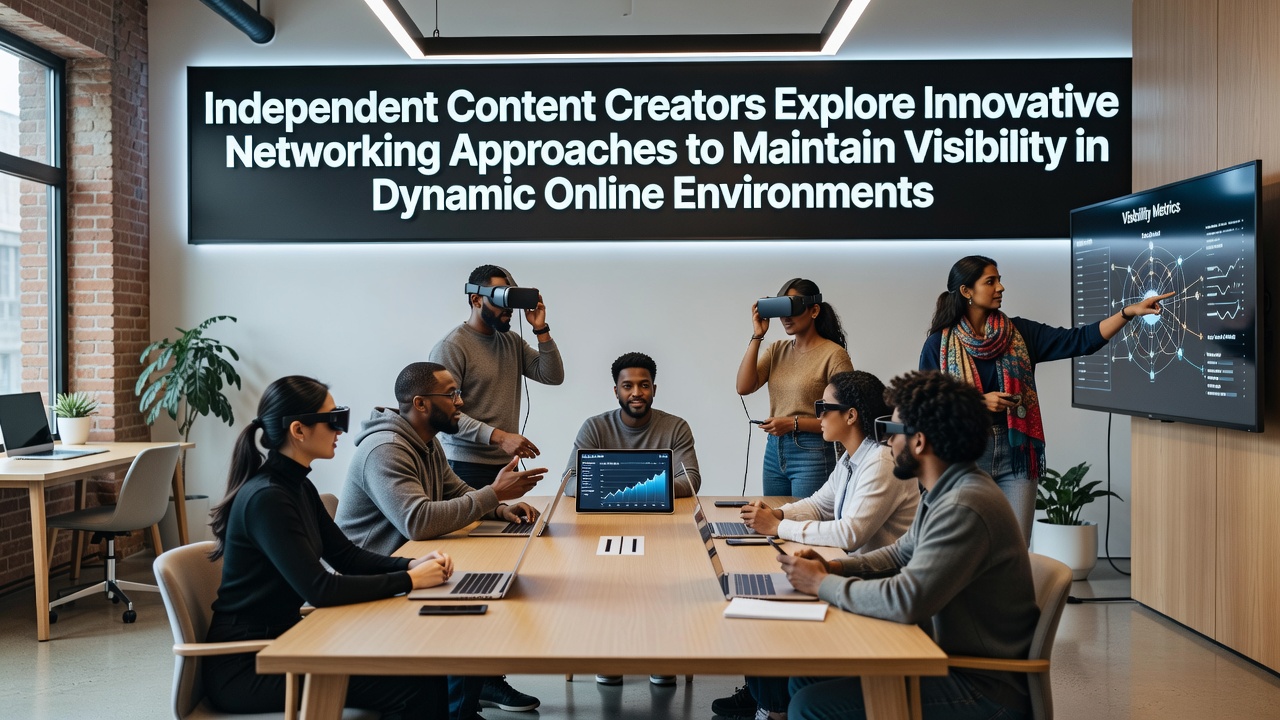
Virtual reality meeting spaces and metaverse platforms emerged as additional venues for creator gatherings by mid-2026. Participants host branded events where attendees interact directly with multiple creators in immersive environments. According to figures released by the Australian Competition and Consumer Commission, adoption of these tools among independent creators rose 27 percent year-over-year through September 2026.
Decentralized social protocols offer another avenue. Creators migrate portions of their content to blockchain-based networks that reduce reliance on centralized moderation policies. These systems enable portable follower connections that persist across different interfaces.
Examples from the Field
One collective of educational creators launched a quarterly virtual conference series in 2025 that featured rotating hosts from six different countries. Attendance data collected by the organizers showed repeat participation rates above 60 percent, with many attendees discovering new channels through shared recommendation threads. Another set of gaming creators formed a rotating podcast network that cross-promotes episodes on each member's feed, resulting in documented subscriber growth tracked through public analytics dashboards.
Regional differences appear in implementation. Creators operating under Canadian content regulations emphasize transparent disclosure of collaborative arrangements, whereas those in Asia-Pacific markets often integrate local payment systems into joint merchandise drops to strengthen network ties.
Measurement and Adaptation Patterns
Analytics tools now incorporate multi-platform dashboards that track referral traffic from collaborative posts. Research conducted by the National Institute of Standards and Technology indicates creators using these integrated metrics adjusted their partnership frequency more quickly than those relying on single-site data alone. Regular reviews of engagement sources help participants identify which network connections deliver sustained visibility rather than temporary spikes.
Conclusion
Independent creators maintain visibility through interconnected networks that span communities, live events, emerging platforms, and direct audience channels. As conditions evolve, these approaches continue to incorporate new tools while preserving core practices of mutual promotion and audience sharing. Ongoing data collection from regulatory and academic sources supports further refinement of these methods in response to platform changes.