Zoe Becker · 17 September 2026
Exploring Referral Pathways for Standalone Web Ventures Through Niche Linking Services in Shifting Algorithm Conditions
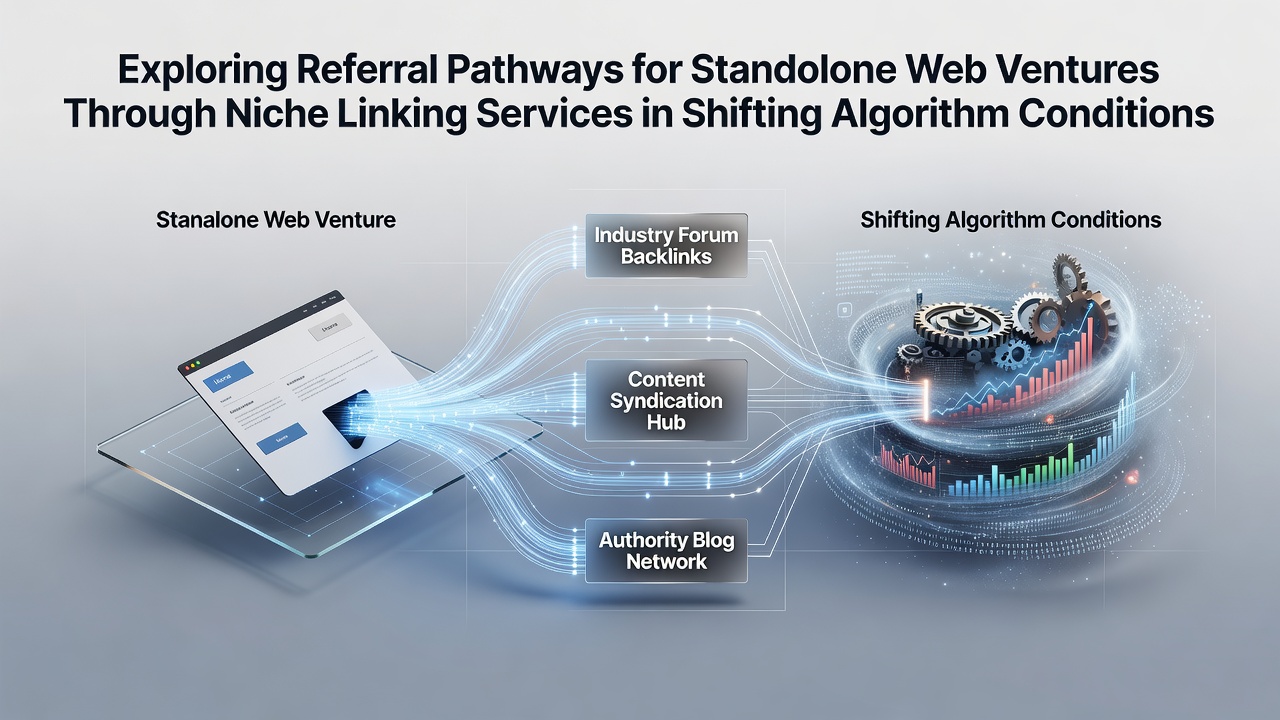
Standalone web ventures have long relied on referral pathways to build visibility and traffic, yet the mechanisms for establishing those pathways continue to evolve under pressure from search engine algorithm updates that occur multiple times each year. Niche linking services have emerged as specialized platforms that connect independent sites with targeted referral sources, allowing operators to navigate conditions where broad directory submissions no longer deliver consistent results. Data from industry monitoring tools indicates that sites employing focused linking strategies experienced measurable shifts in referral traffic following the core updates rolled out in September 2026.
Understanding Referral Pathways in Current Conditions
Referral pathways consist of inbound connections from other websites that direct users and search engine crawlers toward a target domain, and these connections gain or lose value depending on relevance, authority, and placement context. Researchers tracking link acquisition patterns have documented that algorithms now apply more granular evaluations of topical alignment, which means a link from a loosely related domain may contribute less than one from a narrowly focused source within the same vertical. Niche linking services address this by maintaining curated networks where participants exchange or secure placements that align closely with content categories, thereby supporting sustained referral flow even as ranking signals change.
Operators of independent sites often discover that participation in these services requires adherence to placement guidelines that emphasize editorial context over sheer volume, and records from service providers show average referral durations extending beyond six months when guidelines are followed. Studies conducted by academic teams at European universities have quantified how such targeted connections correlate with improved session metrics compared with generic link exchanges that lack thematic overlap.
Role of Niche Linking Services
Niche linking services function as intermediaries that match standalone ventures with publishers operating in complementary subject areas, and they typically employ vetting processes that review domain history, traffic quality, and content standards before approving placements. These platforms differ from general link networks by limiting participation to specific categories such as health resources, technical documentation, or regional business directories, which reduces the risk of dilution that occurs when links appear across unrelated topics. Figures released by service analytics dashboards reveal that users who restrict outreach to three or fewer verticals within a single platform maintain steadier referral streams through the September 2026 algorithm cycle than those who spread efforts across broader categories.
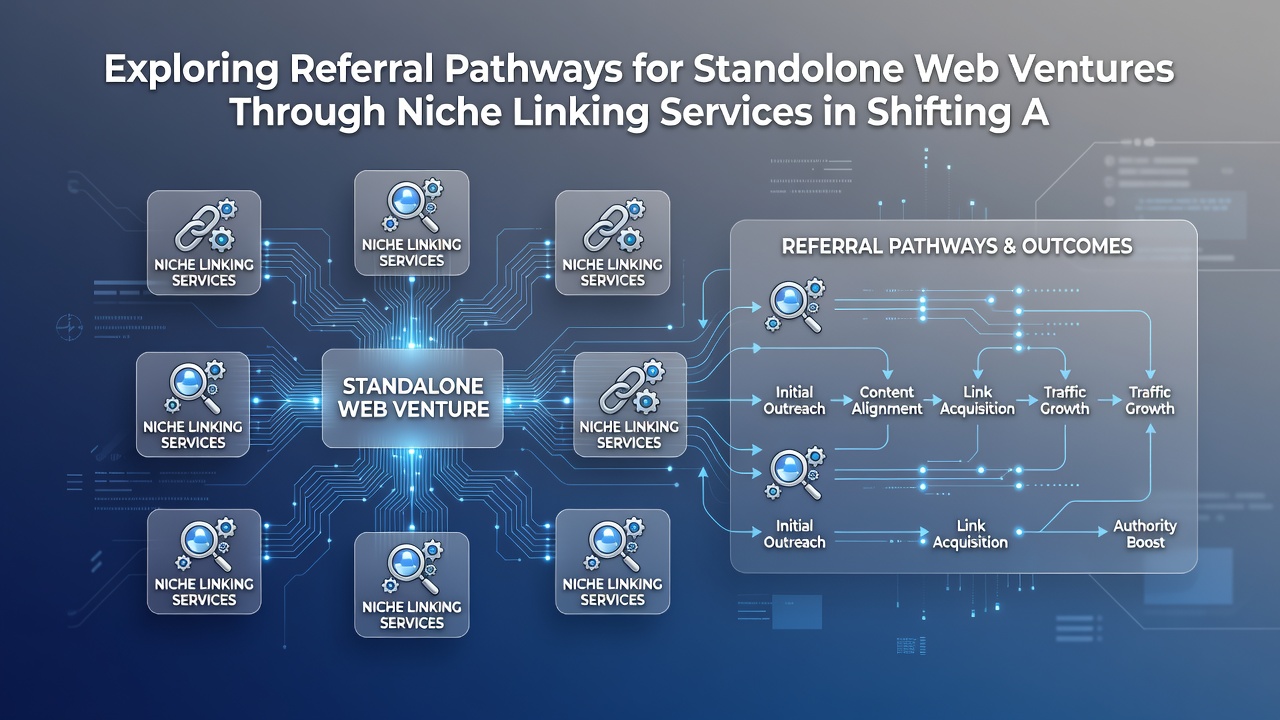
Service operators report that integration with analytics suites allows participants to monitor referral quality in real time, and adjustments such as updating anchor text distributions or rotating placement locations occur within the platform interface. One documented case involved a regional travel resource that secured placements through a travel-specific service and recorded a 34 percent increase in direct referral sessions over a nine-month period, according to internal traffic logs shared with the platform.
Adapting to Algorithm Shifts
Search algorithms released in September 2026 placed additional weight on user engagement signals that originate from referral sources, which means links must not only exist but also drive measurable interactions once visitors arrive. Niche linking services have responded by incorporating placement options that include contextual paragraphs and resource lists rather than isolated footer or sidebar links, thereby aligning with the new emphasis on meaningful user pathways. Government reports from digital economy agencies in Canada and Australia note that sites maintaining consistent referral quality through specialized channels demonstrated greater resilience during the same update window compared with those dependent on automated submission tools.
Platform data further shows that services offering tiered participation levels enable smaller ventures to begin with modest placement volumes and scale upward based on performance metrics, which supports gradual adaptation rather than abrupt overhauls of link profiles. Observers tracking these patterns note that services incorporating regular audits of participating domains help maintain compliance with updated spam detection thresholds introduced in the latest algorithm iteration.
Practical Implementation Steps
Standalone site operators typically begin by auditing existing referral sources to identify gaps in topical coverage, then select niche services that maintain active publisher lists within those same areas. Registration processes usually involve submission of site credentials and content samples, after which matching algorithms or human reviewers propose placement opportunities that participants can accept or decline. Ongoing management includes tracking referral arrival rates and adjusting future requests to favor placements that have previously generated stronger engagement, and service dashboards provide exportable reports that integrate with external analytics platforms for longitudinal analysis.
Industry organizations such as the Interactive Advertising Bureau have published guidelines on ethical link practices that many niche services reference when establishing their internal standards, and participants who align their activities with these frameworks encounter fewer disruptions during algorithm refreshes. Records maintained by service providers indicate that sites completing quarterly reviews of their referral portfolios sustain more stable traffic contributions across multiple update cycles.
Conclusion
Referral pathways developed through niche linking services offer standalone web ventures structured options for maintaining visibility as search algorithms continue to refine their evaluation criteria. Documentation from platform operators and external monitoring sources demonstrates that targeted, contextually aligned connections can deliver consistent referral value when managed according to current placement standards. As conditions evolve, services that emphasize relevance and ongoing quality assessment provide mechanisms for independent sites to adjust their approaches without relying on outdated broad-scale tactics.