Lars Weber · 3 September 2026
Cultivating Resilient Link Networks for Independent Sites in Evolving Digital Landscapes
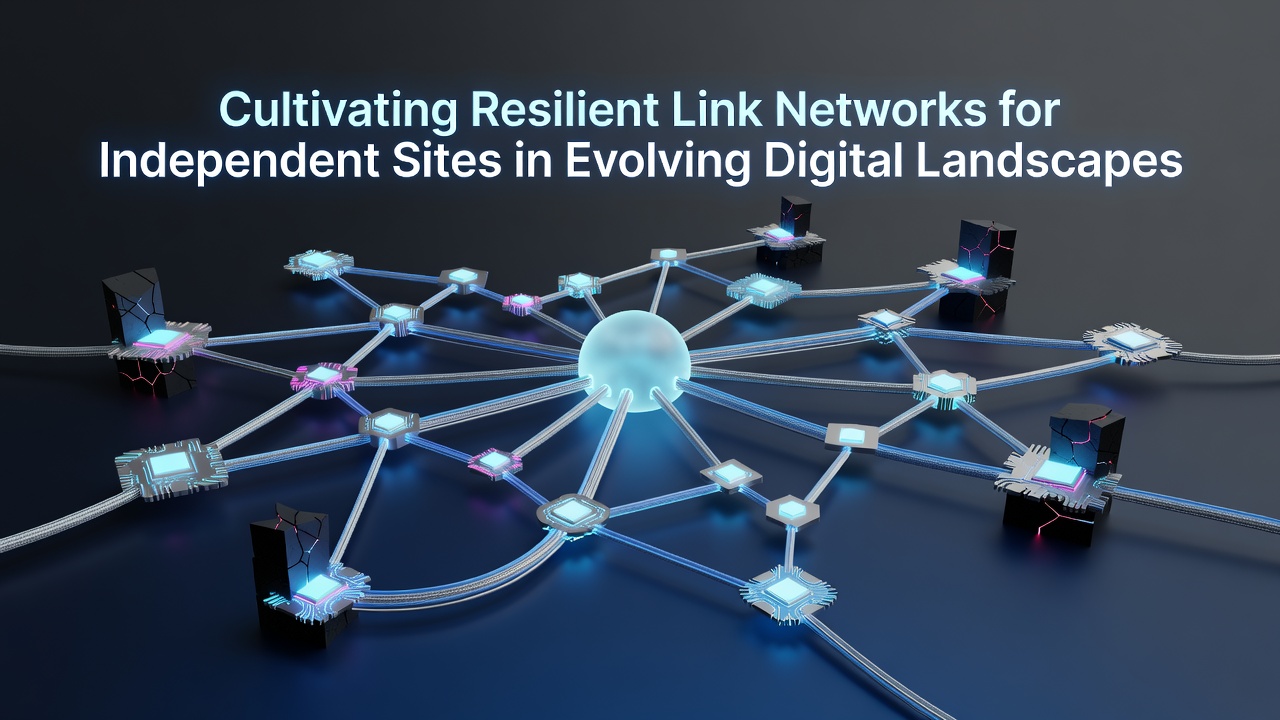
Independent sites face constant shifts in search algorithms, platform policies, and user behaviors that reshape how connections form across the web, and observers note that building link networks capable of withstanding these changes requires deliberate attention to diversity and adaptability. Data from multiple studies indicates that sites relying on narrow link sources experience greater volatility when major engines update their ranking systems, while those cultivating broader relationships maintain steadier visibility over time.
Mapping the Current Digital Environment
Search engines continue refining how they evaluate link quality and relevance, and figures from industry analyses reveal that updates in 2025 emphasized contextual signals and user engagement patterns alongside traditional authority metrics. Independent operators who track these developments often adjust their approaches by monitoring traffic sources and referral patterns on a regular basis, which helps identify emerging weaknesses before they affect overall performance.
Platform changes also influence link acquisition, since social networks and content aggregators revise their sharing mechanisms and external linking rules periodically. Research from academic groups shows that sites maintaining connections across multiple content formats, including text, video, and data visualizations, demonstrate stronger resistance to single-point disruptions compared with those focused on one channel.
Core Elements of Resilient Link Structures
Diversity stands out as a primary factor in network strength, and experts observe that successful independent sites secure links from varied domains, geographic regions, and content types rather than concentrating efforts on a handful of high-authority sources. This spread reduces exposure when any single partner alters its policies or experiences technical issues.
Quality remains essential alongside quantity, with data indicating that links embedded in relevant, well-maintained content continue to deliver more consistent value than those appearing in low-context placements. Operators who review existing connections regularly can identify and strengthen weaker points while preserving the overall structure.
Practical Approaches Used by Independent Operators
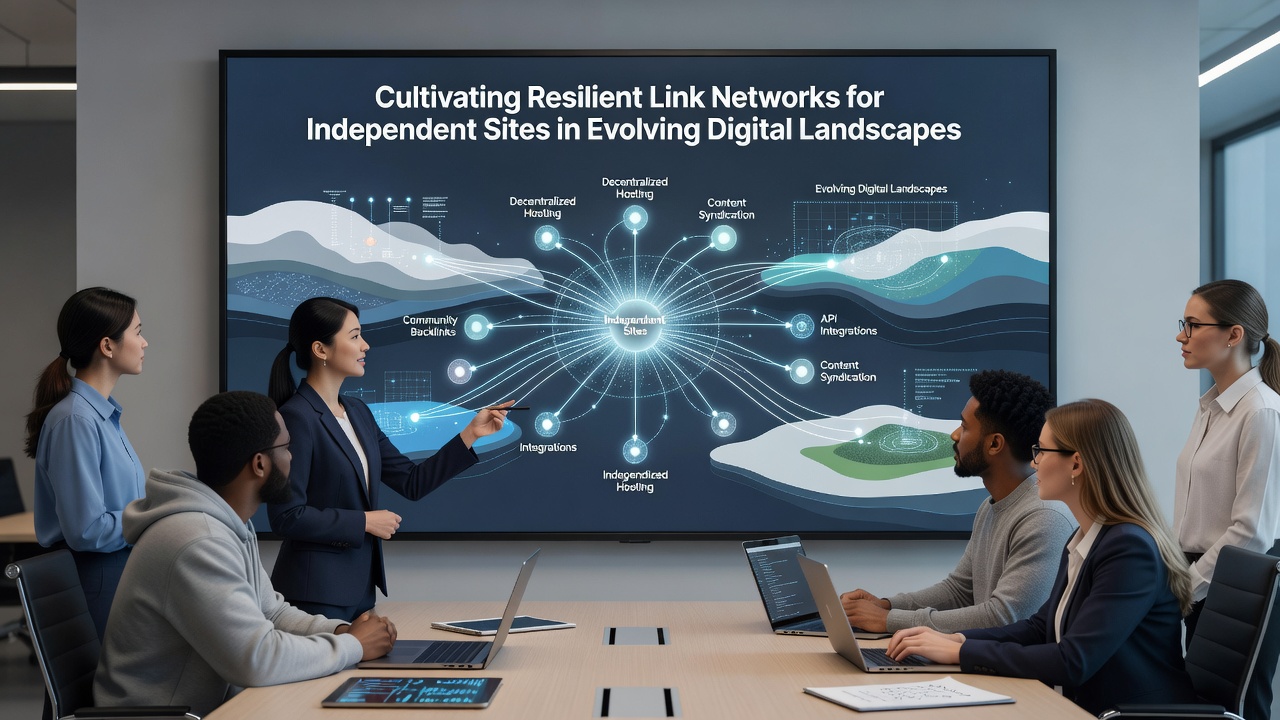
Many site owners begin by auditing current backlinks to understand existing patterns, and this step often reveals over-reliance on particular directories or guest posting networks that have become less effective. They then expand outreach to include partnerships with complementary but non-competing sites, academic repositories, and regional business directories that align with their subject matter.
Content creation plays a supporting role, since original research, datasets, and detailed guides attract natural references from other publishers seeking reliable sources. According to reports from the European Commission on digital transformation, organizations that publish structured information in reusable formats see increased external citations over extended periods.
Monitoring tools help track link health and detect sudden drops or unusual patterns that might signal algorithmic shifts or partner site changes. Those who review these metrics monthly rather than annually tend to respond faster when adjustments become necessary.
Addressing Challenges in September 2026 and Beyond
As of September 2026, discussions around artificial intelligence influence on content discovery continue, and preliminary findings suggest that link networks built on genuine topical relationships hold up better against automated evaluation systems than those relying on volume alone. Independent sites that document their connection strategies and maintain transparency around partnerships position themselves to adapt when new guidelines emerge.
Regulatory developments in various regions also affect data handling and external linking practices, which means operators benefit from staying informed about requirements in the jurisdictions where their audiences reside. One study from Canadian researchers highlighted how compliance considerations can shape link placement decisions without compromising overall network reach.
Measuring Progress and Adjusting Tactics
Traffic stability serves as one indicator of network resilience, yet observers also track referral diversity and the rate at which new domains begin linking to a site. These metrics together provide a clearer picture than any single number, and operators who combine them with periodic manual reviews often spot opportunities for refinement earlier.
Collaboration with other independent publishers through resource sharing and mutual promotion has proven effective for many, since these relationships tend to evolve naturally and generate links that reflect actual content value rather than transactional arrangements.
Conclusion
Resilient link networks for independent sites emerge from consistent attention to source variety, content quality, and ongoing evaluation rather than one-time campaigns. As digital environments continue shifting, the approaches that emphasize adaptability and genuine connections provide the foundation for sustained visibility across changing conditions.